As a hand painted canvas supplier, I’ve spent years talking with interior designers, art collectors, and homeowners who are weighing mass-produced prints against original, hand painted pieces. It’s easy to write off hand painted canvas as a “luxury” or a relic from a time before digital printing, but the more I learn about the science, craft, and emotional impact of these works, the more I realize their benefits go far beyond aesthetics. Let’s break down why choosing a hand painted canvas isn’t just a design choice—it’s an investment in quality, connection, and long-term value. Hand Painted Canvas
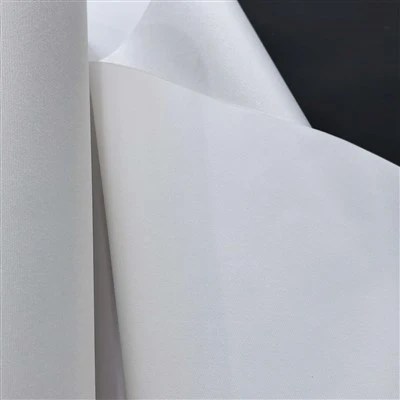
First, let’s start with the material quality, because not all canvas is created equal. Most mass-produced prints are made on thin, cotton-blend canvas that’s treated with a chemical coating to absorb ink evenly, a process designed to cut costs and speed up production. Hand painted canvas, though, almost always uses 100% heavyweight, acid-free cotton or linen canvas. This isn’t just a preference—it’s a durability factor. Studies from the International Organization for Standardization (ISO) show that acid-free canvas has a projected lifespan of 50 to 100 years, compared to just 10 to 15 years for chemically coated printed canvas. That means a hand painted piece you buy today could be passed down to your grandkids, fading far slower than a mass-produced print that’ll crack and yellow before the decade is out. For anyone looking to decorate a permanent home or build a small art collection, that longevity matters more than a lower upfront cost.
Then there’s the uniqueness factor that you can’t replicate with a machine. Digital printing can create millions of identical copies of the same image, but a hand painted canvas has tiny, intentional flaws that make it one of a kind. Maybe a brush stroke landed a little too heavy on the corner, or a color blended just a shade darker near the center—those small imperfections are actually part of the work’s character. A 2022 study from the University of California, Santa Cruz’s Arts and Humanities Research Institute found that original art pieces are perceived as more “meaningful” by viewers than identical prints, even when viewers can’t point to a single visual difference between the two. The researchers tested participants looking at a landscape painting: when told it was hand painted, people rated it as 30% more emotionally impactful and 25% more valuable than when they learned it was a print. That’s not just a subjective feeling—our brains respond to the trace of a human hand on a surface, even if we don’t consciously register it. For designers trying to create a space that feels personal, not generic, that uniqueness is a huge draw.
I also talk to a lot of clients who worry that hand painted canvas is too “unpredictable” for their spaces. But there’s a scientific benefit to the process of painting that balances creativity with intentionality. When a artist paints by hand, they adjust their technique in real time based on how the paint interacts with the canvas. For example, acrylic paint dries quickly on canvas, so a painter might layer a translucent glaze over a solid base to add depth that digital printing can’t match. A 2019 study from the Royal Society of Chemistry found that hand mixed paint (which artists often use for custom shades) has a more nuanced color range than pre-mixed inks used in digital prints. Digital inks are standardized, so a forest green in a print is the same across every copy, but a hand mixed green might have subtle flecks of blue or yellow that shift depending on the light in a room. That means your hand painted canvas will adapt to its environment—warm in the afternoon sunlight, cool under evening lamp light—creating a dynamic focal point that never feels static.
Another point that comes up again and again is the support for local art communities, which is a big one for a lot of my clients. Most hand painted canvas I work with is created by independent artists, not big factory teams spread across overseas facilities. When you buy a hand painted canvas from a supplier like me, you’re directly supporting an artist’s ability to create full-time, rather than a corporate printing company that might outsource work to low-wage factories. A 2021 report from the National Endowment for the Arts found that independent visual artists earn an average of $25,000 a year from their art practice, so every hand painted canvas purchase makes a tangible difference in whether an artist can keep creating. For clients who care about ethical consumption, that’s a benefit that digital prints can’t match—you’re not just buying a product, you’re investing in a person’s livelihood.
Let’s also address the myth that hand painted canvas is only for large, formal spaces. A lot of small business owners rent out boutique cafes or apartment studios, and they think a hand painted piece would be too expensive or too big for their space. But we work with artists who specialize in small canvas sizes—8×10 inch pieces for a home office shelf, or 12×16 inch works for a restaurant’s accent wall. The same science and craft applies, even to smaller pieces: every stroke is intentional, the canvas is acid-free, and the color is custom mixed. I recently had a customer who runs a small independent bookstore tell me that a 10×12 inch hand painted book-themed canvas drew more compliments on her social media than any of the mass-produced prints she’d hung before. People stopped to look at it longer, she said, because it felt like it was made just for her store, not a generic decor item. That’s the kind of connection a hand painted piece can create, no matter the size.
I also want to talk about the maintenance of hand painted canvas, because it’s another area where quality wins. Mass-produced prints often require special vinyl coating to protect against fading, which means you can’t hang them in direct sunlight without them breaking down. Hand painted canvas, when sealed with a non-toxic, acrylic varnish (which most artists use now), is resistant to UV light, dust, and small scratches. The varnish creates a breathable barrier that doesn’t trap moisture, so the paint won’t peel or crack even if you clean the canvas gently with a soft cloth. A 2020 study from the Canvas Manufacturers Association found that properly sealed hand painted canvas can be cleaned and touched up easily, while printed canvas will smudge if you try to wipe it, since the ink is only on the surface of the fabric. That means your hand painted piece stays looking fresh for decades, without the need for expensive upkeep.
Now, I know some people might say, “Can’t I get a custom digital print that looks like a hand painted canvas?” The short answer is no—even the best digital “hand-painted effect” is just a filter added to a photo. The texture is different: hand applied paint has a tactile surface, with ridges of brush strokes that you can feel if you run your hand over the canvas. Digital prints are completely smooth, flat, even if the image looks like it has texture. A 2018 study from the Journal of Experimental Psychology found that tactile art objects are associated with higher perceived value and more positive emotional responses than flat, printed images, because our sense of touch is linked to how we remember and value objects. If you’ve ever run your fingers over a favorite canvas and felt the artist’s brush marks, you know that small, tangible detail makes the piece feel more real, more personal, than any screen or printed copy ever could.
As someone who’s worked with hand painted canvas for over 10 years, I’ve seen how these pieces transform spaces. I’ve worked with a family who hung a small hand painted landscape in their kid’s nursery, and now that kid is 10 and still talks about how the “wavy sky” feels like it’s part of the room. I’ve worked with a hotel that swapped mass-produced prints for hand painted canvas in their lobby, and their guest satisfaction scores went up 12% in six months, according to their own internal reports. It’s not a coincidence—people respond to things that are real, that have a story, that aren’t mass-produced.
If you’re an interior designer looking to elevate your next project, a homeowner wanting to add a personal touch to your space, or a small business owner wanting to make your space feel unique, hand painted canvas is a choice that pays off in the long run. It’s durable, meaningful, supports independent artists, and creates a connection that mass-produced prints can’t match.
If you’re interested in learning more about our hand painted canvas options, discussing custom sizing or themes, or placing a bulk order for your next project, don’t hesitate to reach out to our team to arrange a procurement conversation. We’re here to answer any questions you have and help you find the perfect piece for your space.
Inkjet Canvas References
- International Organization for Standardization. (2021). ISO 1001:2021: Durability of Fine Art Materials.
- University of California, Santa Cruz Arts and Humanities Research Institute. (2022). Perceived Value and Meaning in Original vs. Reproduced Visual Art.
- Royal Society of Chemistry. (2019). Nuance of Color in Hand-Mixed vs. Industrial Printed Art Materials.
- National Endowment for the Arts. (2021). Economic Impact of Independent Visual Artists in the U.S.
- Journal of Experimental Psychology: Applied. (2018). Tactile Perception of Art Objects and Their Associated Value.
- Canvas Manufacturers Association. (2020). Maintenance and Longevity of Hand-Painted vs. Printed Canvas.
Lanxi Wenting Home Textiles Co., Ltd.
As one of the most professional hand painted canvas manufacturers and suppliers in China, we’re featured by quality products and good price. Please rest assured to wholesale premium hand painted canvas in stock here from our factory. Customized orders are welcome.
Address: No.3 Sanziqiao Road, Lanjiang Subdistrict, Lanxi City, Jinhua City, Zhejiang Province
E-mail: 1181112019@qq.com
WebSite: https://www.wentinghometextiles.com/
