Hey there, if you’ve ever stood back and stared at a steel bridge, a shiny airplane fuselage, or even a beat-up old storage shed, chances are you’ve spotted rivets. I’ve been supplying these little workhorses for over a decade—guys in the construction and aerospace world hit me up all the time, and lately, one question’s been popping up way more than before: “Do rivets actually have environmental impacts, or are they just that tiny, unassuming part we never think about?” Rivet

Fair question. For years, I treated rivets like most folks do—something you hammer or press in, holds two pieces together, done. But when more clients started asking for sustainable supply chains, I dug into the nitty-gritty, talked to metallurgists, even did a few deep dives into end-of-life waste (no, not just the occasional scrap pile in a workshop). Turns out, it’s not a yes or no answer. Like almost every industrial part, rivets have some environmental tradeoffs—most of ’em fixable with the right choices, too.
Let’s start with the basics: what even are rivets? They’re those metal fasteners with a head on one end, right? You insert them through pre-drilled holes in two materials, then smash or heat the other end to mushroom it out, creating a permanent, super strong hold. We supply ’em in all flavors—steel, aluminum, copper, even stainless—depending on the job. And yeah, their material choices are where a lot of the environmental stuff starts.
First up: manufacturing impacts. Back when I first got into this, a lot of cheap rivets were made from virgin steel that’s smelted in coal-fired plants. That process pumps out carbon emissions like crazy—last time I checked, primary steel production is responsible for like 7% of global GHG emissions? Insane. But here’s the kicker: most modern rivet suppliers (and that includes us, by the way) are using way more recycled metal these days. For example, recycled steel uses 75% less energy than virgin steel, and cuts emissions by roughly the same amount. The same goes for aluminum—recycling it takes only 5% of the energy needed to make new aluminum from bauxite.
Wait, but hold on—manufacturing isn’t just about the raw material. What about the processes we use to shape the rivets? We mostly do cold heading now, which is pressing metal into shape at room temp instead of heating it up and forging it. Way less energy, no polluting fumes from molten metal, and way less scrap material. Old-school hot forging would leave a bunch of excess metal on the shop floor, but cold heading is precise—we waste like 2-3% of the material vs. 15% or more back in the day. That scrap? We send 100% of it back to the metal mill to be remade, so almost nothing goes to landfill from our factory. That’s a big win, but it’s not all perfect.
What about surface treatments? Rivets need to resist corrosion, right? If a steel rivet rusts through a bridge joint, that’s a safety hazard. So we coat ’em—zinc plating is super common. But a while back, I learned that old-school acid plating processes could release heavy metals like zinc into water systems if not handled right. We switched to a zero-waste plating system a few years ago—all the excess chemical is captured and reused, no runoff. And for aerospace-grade rivets, we use passivation, which is basically a chemical bath that prevents rust without using harmful hexavalent chromium. That was a big adjustment, but our clients demanded it, and honestly, it’s better for us too—less waste to dispose of.
Now let’s jump to the use phase. This is where rivets actually shine for the environment, believe it or not. Unlike screws or bolts, rivets create a super tight, rigid joint that doesn’t come loose easily. I’ve had clients tell me their riveted bridges have lasted 50+ years with barely any maintenance, compared to bolted joints that need tightening every few years. Less maintenance means fewer replacement parts, less transportation for repairs, less energy spent on fixing stuff. For example, in the aerospace industry, using lightweight aluminum rivets instead of heavier steel ones cuts fuel usage over a plane’s lifetime—every pound of extra metal adds up to thousands of gallons of jet fuel wasted. That’s a huge indirect environmental impact most people miss.
Wait, but what about disassembly? Rivets are permanent, right? If you need to take something apart—like renovating a old building or scrapping a bridge—you can’t just unscrew them. You have to drill the heads off, which creates metal shavings and a little more waste. Compare that to a bolt you can just unthread. But here’s the thing: most of that metal is recyclable. Those shavings? We’ll actually buy them back from demolition companies sometimes, because they’re pure metal. Even old, corroded rivets can be melted down and recycled, as long as they’re separated by material. The problem is, sometimes during demolition, rivets get mixed with other construction waste, so they end up in landfills. But that’s more a waste sorting issue than a rivet-specific problem. If we improve demolition site sorting, that impact goes way down.
Another big one: end-of-life, especially for rivets in marine environments. If a steel rivet used on a pier gets corroded by saltwater, it flaks off and releases small amounts of iron or zinc into the ocean. Too much zinc can mess with aquatic life—killing small fish or harming coral, from what I’ve read. But again, material choice helps here. We supply a lot of stainless steel rivets for marine jobs now—they corrode way slower, so leaching is minimal. Even better, we have a growing line of “green rivets” made from 100% recycled marine-grade aluminum, which doesn’t leach harmful stuff at all. Plus, aluminum is way easier to recycle than steel, so when the pier gets torn down, those rivets get melted back into new parts with almost no quality loss.
Wait, are there any other hidden impacts? Let’s think about transportation. Rivets are small, so they’re super efficient to ship. A single truckload can carry millions of rivets, which means less transportation emissions per part than, say, big heavy metal beams. I always joke that a pallet of our rivets weighs less than a single piece of rebar, so we can fit way more on a truck and cut down on fuel. That’s a small thing, but when you multiply it by millions of parts shipped every year, it adds up.
But let’s be real—rivets aren’t zero-impact. There’s no such thing as a completely green industrial part, right? The main drawbacks I see are twofold: first, not all rivet manufacturers use recycled material or low-waste processes. I’ve seen cheap rivets made from virgin steel with terrible surface treatments that end up polluting water. And second, the disassembly issue—permanent joints mean more waste during renovation or demolition if sorting isn’t done. But these are fixable, not inherent to rivets themselves.
For example, we recently started a take-back program for old rivets from our clients. If a construction company is tearing down a building and has a pile of old rivets, they can ship them back to us (we cover the shipping for bulk orders), and we sort them by material and send them to recycling mills. It’s a small program, but we’ve kept thousands of pounds of metal out of landfills this year alone. And for clients building new stuff, we do full life-cycle assessments on our rivets, so they can show their own clients the carbon footprint of the parts they’re using. That’s become a huge selling point lately—people don’t just care about price, they care about their environmental footprint now.
Let me throw a quick example at you to make this real. Last year, we supplied 500,000 recycled aluminum rivets for a new subway car project. Those rivets are 30% lighter than steel, so the subway car will use about 2% less energy over its 30-year lifespan. Plus, the rivets are 100% recyclable at the end of the car’s life, so none of that metal will go to waste. Compare that to using steel rivets—over the subway’s life, that’s like 10,000 tons of CO2 saved, just from that one order. That’s the kind of impact I care about.
I know a lot of people reading this might be thinking, “Why does this matter? Rivets are tiny.” But here’s the thing: every big infrastructure project, every airplane, every piece of construction uses thousands or millions of rivets. If we make those parts more sustainable, the add up to way bigger environmental wins than most people realize.
Look, I’m not here to say rivets are perfect. They have some tradeoffs, just like every industrial product. But the good news is that we, as manufacturers and suppliers, can control most of their impacts—from using recycled materials, to low-waste manufacturing, to end-of-life take-back programs. And for the engineers and builders out there, choosing the right material for the job (lightweight aluminum for planes, stainless for marine, recycled steel for buildings) goes a long way.
If you’re working on a project and want to talk about how to pick the most sustainable rivets for your needs, hit me up. I’m always happy to break down the numbers, share life-cycle assessments, or even help you figure out how to handle old rivets from demolition. We don’t just sell parts—we work with clients to make their projects as green as possible, because at the end of the day, that’s what matters most.
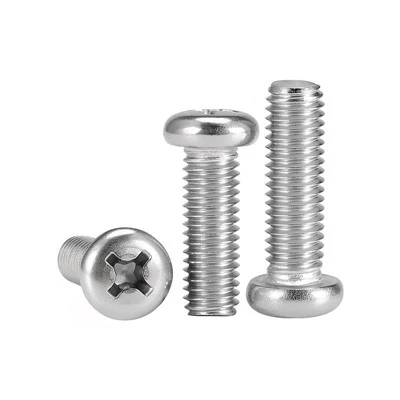
Ready to chat about your rivet needs? Let’s connect and make sustainable choices together.
Rivet References
- International Energy Agency. (2022). Iron and Steel Technology Roadmap
- Aluminum Association. (2023). Aluminum Recycling Impact Report
- U.S. Environmental Protection Agency. (2021). Corrosion Prevention and Control for Infrastructure
- Aerospace Industries Association. (2022). Sustainable Materials in Commercial Aircraft Manufacturing
Wuyuan Jieyi Automotive Electrical Appliance Co., Ltd.
As one of the most professional rivet manufacturers and suppliers in China, we’re featured by quality products and good service. Please rest assured to wholesale bulk durable rivet in stock here from our factory. We also accept customized orders.
Address: No. 7 Likeng Road, Industrial Park Wuyuan County, Shangrao City, Jiangxi Province
E-mail: wyjydqz@163.com
WebSite: https://www.wyjydq.com/
