Shipping textiles from China to Australia via consolidation is a cost – effective and efficient solution for many businesses. As a China To Australia Consolidation Shipping supplier, I have extensive experience in this field and can share valuable insights into the requirements for this shipping process. China To Australia Consolidation Shipping
Understanding Consolidation Shipping
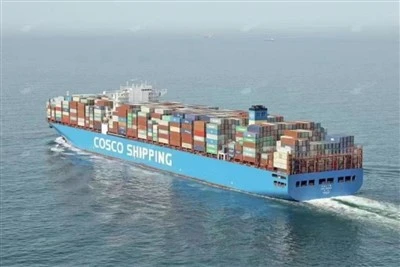
Consolidation shipping involves combining multiple small shipments from different suppliers into one large container. This method reduces shipping costs, as shippers can benefit from economies of scale. For textile exporters in China, it is an ideal option, especially for those who do not have enough volume to fill a full container.
Documentation Requirements
Commercial Invoice
A commercial invoice is a crucial document for shipping textiles. It should include detailed information about the goods, such as the quantity, description, unit price, and total value of the textiles. The invoice must also state the terms of sale, such as FOB (Free on Board) or CIF (Cost, Insurance, and Freight). In the context of shipping to Australia, accurate invoicing is essential for customs clearance and determining the applicable duties and taxes.
Packing List
The packing list provides a breakdown of the contents of each package. It includes details such as the number of pieces, weight, dimensions, and markings of the packages. This document helps in verifying the quantity and condition of the textiles upon arrival in Australia. It also assists customs officials in conducting inspections and ensuring compliance with import regulations.
Bill of Lading
The bill of lading is a legal document that serves as a receipt for the goods, a contract of carriage between the shipper and the carrier, and a document of title. There are different types of bills of lading, such as straight bills of lading and order bills of lading. For consolidation shipping, a house bill of lading (HBL) is often issued by the consolidator, and a master bill of lading (MBL) is issued by the ocean carrier. The HBL details the individual shipments within the consolidated container, while the MBL covers the entire container.
Certificate of Origin
A certificate of origin indicates the country where the textiles were manufactured. In the case of shipping from China to Australia, a China – issued certificate of origin is required. This document is important for determining the eligibility of the goods for preferential tariff treatment under free trade agreements, such as the China – Australia Free Trade Agreement (ChAFTA).
Textile – Specific Certificates
Depending on the type of textiles being shipped, additional certificates may be required. For example, if the textiles contain certain chemicals or dyes, a certificate of compliance with relevant environmental and safety standards may be needed. Flame – retardant textiles may require a fire – safety certificate. These certificates ensure that the textiles meet the safety and quality standards in Australia.
Packaging Requirements
Protection
Textiles are delicate goods and need proper protection during shipping. They should be packed in sturdy and well – sealed containers to prevent damage from moisture, dust, and physical impact. Plastic bags can be used to protect the textiles from moisture, and cardboard boxes or wooden crates can provide additional support.
Labeling
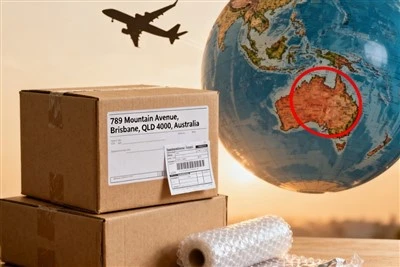
Each package should be clearly labeled with the following information:
- Shipper’s and consignee’s details, including names, addresses, and contact information.
- Description of the contents, such as the type of textiles (e.g., cotton shirts, silk scarves).
- Quantity of the goods in the package.
- Gross and net weight of the package.
- Any handling instructions, such as "Fragile" or "Keep Dry".
Customs Requirements in Australia
Tariffs and Taxes
Australia has a tariff system in place for imported textiles. The applicable tariff rate depends on various factors, including the type of textiles, their origin, and whether they qualify for preferential treatment under ChAFTA. In addition to tariffs, goods and services tax (GST) is also levied on imported textiles at a rate of 10%. It is important for shippers to accurately calculate and pay the applicable tariffs and taxes to avoid delays in customs clearance.
Import Permits
Some types of textiles may require import permits in Australia. For example, textiles made from certain endangered or restricted materials may need special authorization. Shippers should check with the Australian Department of Agriculture, Water and the Environment to determine if any import permits are required for their specific textile products.
Quarantine Requirements
Australia has strict quarantine regulations to protect its environment and agricultural industries. Textiles that are made from natural fibers, such as wool or cotton, may be subject to quarantine inspections. These inspections aim to detect and prevent the introduction of pests, diseases, and contaminants. Shippers should ensure that their textiles are clean and free from any organic matter, such as soil or plant residues.
Quality and Safety Standards
Australia has established quality and safety standards for imported textiles. These standards cover aspects such as flammability, chemical content, and color fastness. Textiles must comply with the relevant Australian standards before they can be sold in the market. Shippers should conduct proper quality control checks to ensure that their products meet these standards. They may need to provide test reports from accredited laboratories to demonstrate compliance.
Transport and Logistics Considerations
Carrier Selection
When shipping textiles from China to Australia via consolidation, choosing the right carrier is crucial. The carrier should have a good reputation for reliability, safety, and timely delivery. It is also important to consider their experience in handling textile shipments and their network of shipping routes.
Shipping Schedule
Shippers should plan their shipping schedule in advance to ensure that the textiles arrive in Australia on time. Consolidation shipping may have specific cutoff dates for accepting shipments, and delays in providing the necessary documentation or goods can result in missed sailing schedules.
Insurance
Given the value and vulnerability of textiles, it is advisable to purchase shipping insurance. Insurance can protect the shipper against losses or damages that may occur during transit, such as theft, fire, or natural disasters. Shippers should carefully review the insurance policy to understand the coverage and exclusions.
Working with a Consolidation Shipping Supplier
As a China To Australia Consolidation Shipping supplier, I offer a comprehensive range of services to simplify the shipping process for textile exporters. I can assist with documentation preparation, ensuring that all the required paperwork is accurate and complete. I also have partnerships with reliable carriers, which allows me to provide competitive shipping rates and flexible shipping options.
My team has in – depth knowledge of the Australian customs regulations and can help shippers navigate the complex customs clearance process. We can also provide guidance on packaging and labeling requirements to ensure that the textiles are shipped in compliance with all relevant standards.
If you are a textile exporter in China looking to ship your products to Australia via consolidation, I am here to help. By working with me, you can save time, reduce costs, and ensure a smooth and hassle – free shipping experience.
Conclusion
China-Australia Sea Freight Shipping textiles from China to Australia via consolidation requires careful attention to documentation, packaging, customs regulations, and quality standards. By understanding and meeting these requirements, textile exporters can successfully transport their products to the Australian market. As a China To Australia Consolidation Shipping supplier, I am committed to providing professional and reliable services to help you achieve your shipping goals. If you are interested in discussing your textile shipping needs, please feel free to contact me for a detailed consultation.
References
- Australian Border Force. (n.d.). Importing goods into Australia.
- Department of Agriculture, Water and the Environment. (n.d.). Importing requirements.
- China – Australia Free Trade Agreement text.
Shenzhen Kuaihui International Logistics Co., Ltd.
Shenzhen Kuaihui International Logistics Co., Ltd. is a leading China-Australia dedicated logistics service provider in China. As a professional agent and platform, we are committed to providing high quality china to australia consolidation shipping with low price. Welcome to contact us for pricelist.
Address: 3rd Floor, Building 6, Nanbiantou Industrial Zone, Xifang, Songgang Street, Bao’an District, Shenzhen City, Guangdong Province
E-mail: info@kkhwl.com
WebSite: https://www.kuaihuiexp.com/
