Hey everyone, I’m Mia, and I’ve been working as a Hotel Loose Furniture supplier for 12 years. Over that time, I’ve sat through so many meetings where architects and interior designers are arguing over furniture that either sticks out like a sore thumb or blends in so well you forget it’s there—and neither is right. The best hotel spaces? They feel seamless, like every loose piece (the sofas, coffee tables, bedside cabinets, dining chairs) was meant to live in that exact building, not just dropped into a room after the walls went up. Today, I’m breaking down how we as furniture suppliers make that blend happen, no fancy jargon required. Hotel Loose Furniture
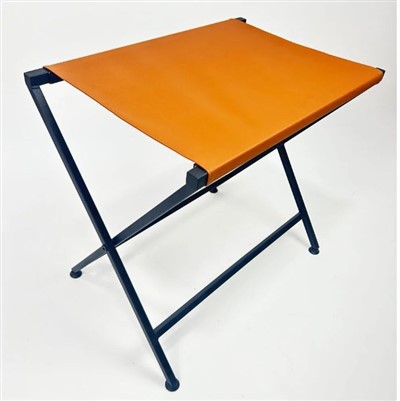
First off, let’s get one thing straight: loose hotel furniture isn’t just decor. It’s the stuff that guests touch, sit on, move around. If it clashes with the architecture, it doesn’t just look bad—it disrupts the whole vibe. I once worked on a boutique hotel in Charleston, SC, where the architect had built these huge, arched window frames with exposed dark wood beams. The first initial furniture sample the designer picked was a bright white lacquer dining set. It was a disaster—against the warm, rough-hewn beams, it looked like it belonged in a suburban IKEA living room, not a historic southern hotel. We ended up going with a solid oak dining set with a slightly weathered finish that matched the beam grain, and all of a sudden, that dining area felt intentional, not an afterthought. So step one? Don’t pick furniture in a vacuum—always tie it to the architecture’s existing bones.
Wait, but what if the architecture is super modern, like a glass-and-steel skyscraper in NYC? Last year, we did a furniture run for a midtown boutique hotel that had floor-to-ceiling glass walls and exposed steel columns. The client didn’t want the furniture to compete with that sleek, industrial look, so we went with low-profile sofas with brushed stainless steel legs that matched the columns, and glass coffee tables with edges tapered to match the soft curve of the building’s lobby counter. It wasn’t just “match the metal”—it was match the details of the metal. That’s where so many people mess up: they see “steel” and grab any steel leg, but the right steel has to be the same tone, the same finish, even the same thickness as the building’s structural elements.
Next, scale. This is a big one that trips up even experienced designers. Architecture has scale—think a grand hotel lobby with 20-foot ceilings, vs. a small boutique guest room with 8-foot ceilings. A common mistake I see is a supplier sending a 9-foot-long sofa for a lobby that’s only 10 feet wide. It looks cramped, like the room is squeezing the furniture. Or vice versa: a tiny side table in a room with a 10-foot ceiling, so the table looks like a toy next to the tall windows. For example, a coastal hotel we worked on in Maine had guest rooms with vaulted ceilings (12 feet) and small floor plans. We didn’t send oversized king beds or bulky armoires. Instead, we did low-profile queen beds with slim, light wood headboards that filled the vertical space without overpowering it, and floating bedside cabinets that hung 18 inches off the floor to keep the room feeling open. The architecture’s scale was big in height but small in width, so the furniture had to balance both.
Then there’s material consistency, not just color. I know, color is easy—match the wall paint, the tile, whatever. But texture? That’s where the real blend happens. If the architecture has a concrete floor, don’t put a velvet rug that looks like it came from a suburban home on top of it. Pick a rug with a low-pile or jute texture that complements the concrete’s rough, industrial feel. Or if the building has reclaimed brick walls, a leather sofa with a subtle vintage patina will age the same way the bricks do, instead of a brand-new, glossy leather that looks out of place. I had a client once who tried to put a shiny, high-gloss desk in a hotel with exposed brick; two years later, the desk still looked new, while the bricks had darkened a bit, making the whole space feel mismatched. We switched to a distressed oak desk that weathered with the bricks, and guests started commenting that the room “felt like it had always been there” instead of just built.
Wait, what about functional architecture? A lot of buildings have features that aren’t just pretty—they’re designed for use. Like, a hotel lobby with built-in bench nooks by the fireplace. Loose furniture should work with those nooks, not against them. For that same Maine hotel, the lobby had built-in window seats along the back wall. We added loose ottomans that were the same width as the window seats, so when guests wanted more seating, they could tuck the ottomans right up against the built-ins, no awkward gaps. Also, the ottomans had storage inside, which worked with the hotel’s goal of keeping the lobby clutter-free. That’s the thing: loose furniture doesn’t have to be “loose” as in not fixed—it just means it’s not built into the architecture, but it still integrates with how the space is used. Don’t fight the architecture’s functionality; work with it.
I also have to talk about listening—wait, no, not just listening, but collaborating. A lot of furniture suppliers will just send a catalog and say “pick what you like.” But the best blends come when the supplier is in the loop during the architecture phase, not just the final decor phase. For that NYC skyscraper hotel, we were brought in 3 months before the architecture finished the lobby. We looked at the steel columns, the glass, the floor plan, and suggested that the lobby’s seating zones be arranged in “pods” that mirrored the way the steel beams crisscrossed the ceiling. The designer loved that idea, and it made the whole space feel intentional, not random. If you bring a loose furniture supplier on early, you can adjust things—like the size of a coffee table so it fits the space between two columns, or the height of a sofa so it doesn’t block the view from a window.
Another common pitfall: trend chasing. A designer might want a super trendy neon accent chair or a bold geometric rug because it’s popular right now, but if the architecture is traditional, that neon chair will stick out like a sore thumb. I’m not saying you can’t have a little fun, but the fun stuff should be subtle, not the main event. For example, a historic hotel in New Orleans we worked on had cast-iron balconies and 19th-century terracotta tiles. Instead of trendy bold fabrics, we used muted, earthy tones for the sofas and chairs, and added small accent pillows with a subtle damask pattern that matched the tile’s design. That way, the trend was there, but it didn’t overshadow the architecture’s historic charm.
Wait, let’s test this with a real fail I saw. A few years back, a resort in Arizona built this amazing modern adobe-style architecture—thick, curved adobe walls, flat roofs, terracotta flooring. The designer picked bright, metallic gold end tables for the rooms. Gold against adobe? It was like putting a disco ball in a church. The end tables were too shiny, too modern, didn’t match the adobe’s matte, earthy texture. We went back in and swapped them for hand-hammered copper tables that had a warm, patinated finish, similar to how adobe ages. Suddenly, the tables looked like they belonged, not like an afterthought. That’s texture over shiny—shiny can be good, but only if it matches the building’s texture.
So let’s wrap this up with a checklist for anyone looking to blend loose hotel furniture with architecture:
- Tie furniture details to architectural features: Match metal finishes to structural elements (columns, beams), fabric texture to wall or floor materials, even small design details like tapers on legs to window curves.
- Scale for balance: If the building has high ceilings, use low-profile furniture to avoid cramping; if it has small spaces, avoid oversized pieces that look overwhelming.
- Work with functionality, not against it: If the architecture has built-ins, make your loose furniture complement them in size and use—don’t just place it randomly.
- Bring your furniture supplier in early: The best decisions happen when we’re part of the planning, not just picking pieces last minute.
- Skip the loud trends, keep it subtle: Trendy accents are great, but they shouldn’t overshadow the building’s unique character.
At the end of the day, a hotel’s architecture is its backbone. The loose furniture should be the skin that fits that backbone perfectly, not a piece of clothing that’s too big or too small, or the wrong color. As a hotel loose furniture supplier, my job isn’t just to sell sofas and tables—it’s to make sure every piece feels like it was made for that exact space.
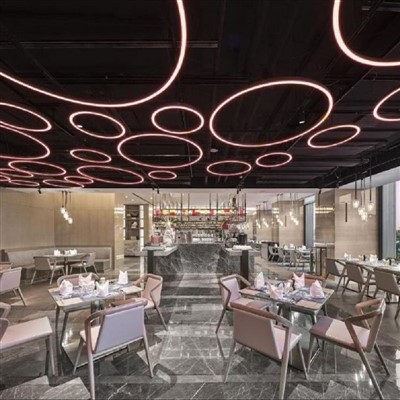
If you’re a hotel owner, architect, or designer working on a new build or renovation and you want to make sure your loose furniture blends seamlessly with your architecture, hit me up. I’m always down to chat through ideas, send sample pieces, or even help with a mock-up of your space so you can see how it all fits together. No pressure, just solid advice from someone who’s seen way too many furniture-architecture fails (and way more blends that make me excited to go to work).
Project Door References
- "Hotel Design: Integrating Loose Furniture and Architectural Context," Hospitality Design Magazine, 2022.
- Scofield, S., "Balancing Scale and Texture in Commercial Furniture," Interior Design Today, vol. 18, no. 3, 2021.
- Carter, L., "Early Supplier Collaboration in Hospitality Projects," Journal of Hotel Operations & Design, 2020.
Jiamei Wood Co., Ltd.
As one of the most professional hotel loose furniture manufacturers and suppliers in China, we also support customized service. Please feel free to wholesale cheap hotel loose furniture for sale here from our factory. For price consultation, contact us.
Address: Room 1802, No. 2nd, Kexing Road, Baiyun District, Guangzhou, Guangdong Province, China
E-mail: sq@jiameiwood.com
WebSite: https://www.jiameiwood.com/
