Let’s cut to the chase: as a beach bag supplier who’s spent the last decade feeling sand in every single crevice of my inventory, I get why this question nags every beachgoer— and every other bag brand. Do beach bags need to be lined? Beach Bag

I’ve heard every take: some diehard sand-in-the-bottom crowd swears by unlined, canvas “breathability” that dries in ten minutes flat. Others? They show up to post-swim brunch with sand caked in their sunscreen tubes, soggy towels, and half-eaten popsicle wrappers stuck to bag interiors like glue, and they’ll tell you lined bags are non-negotiable. The truth? It’s not a one-size-fits-all answer— but after testing every possible lined and unlined design, interviewing beachgoers from Cape Cod to the Florida Keys, and even tearing apart 500 bags last year to see what held up, there’s a science to it.
Let’s start with what actually makes a beach bag’s job different from your everyday tote. A regular tote holds a laptop or a pair of groceries; a beach bag holds wet swimsuits, sunscreen (the kind that stings if it gets in your eyes), sand that finds its way through even tiny gaps, and sometimes a leaky water bottle or a ice-cold snack that sweats through its wrapper. Those conditions put way more stress on materials than most people realize. Unlined bags are almost always made of a natural fiber— canvas, cotton, jute— because they’re light, breathable, and cheap. But here’s the thing about natural fibers when they get wet and sandy: that breathability cuts both ways. When your swim towel drips into an unlined canvas bag, the moisture seeps into the fabric and gets trapped between the fibers, not on a smooth, removable layer. That takes hours to dry, not ten minutes. I once watched a customer return three unlined jute bags because after a weekend at Myrtle Beach, the bag mildewed at the bottom before she even got home to hang it up.
Now, lined bags. They’ve gotten a bad rap for being “hot” or “heavy,” but not all linings are created equal. Early lined beach bags used the same canvas as the exterior, which doubled the weight and added zero water resistance. But modern linings? They’re game-changers for the right use case. Let’s talk about the science of linings specifically for beach environments. The best linings are either water-resistant polyester (think the kind used in rain gear) or coated nylon, which is thin, flexible, and blocks water from seeping into the exterior fabric. That means when your water bottle leaks or your sunscreen bottle splits, it doesn’t soak through to the outside of the bag— and more importantly, you can wipe that mess out in 10 seconds, no scrubbing required.
I test this every summer, because as a supplier, my whole job is to make bags that last. Last year, I split 100 identical canvas exterior beach bags into two groups: 50 unlined, 50 lined with that water-resistant polyester. I gave them to 100 regular beachgoers, each from a different demographic: college students who spend all day carrying frisbees and energy drinks, parents with toddlers who bring snack wrappers and juice boxes, retirees who go for long walks and carry foldable chairs, and festival-goers who stay late into the evening. After three months, I asked them to rate their bags on durability, ease of cleaning, weight, and sand control.
The results? Lined bags won by a landslide for everyone except the retiree group. The retirees said the unlined bags were lighter, they never had big spills (just the occasional sand), and they could hang them on their porch and they’d dry by morning. For the college students? 82% said their lined bags were easier to clean— no more scraping sand out of canvas seams, no more scrubbing juice stains that set into unlined fabric. For parents? 94% said the lining was non-negotiable— they had a parent tell me her kid’s lunchbox leaked yogurt all over her unlined bag, and it took two cycles in the washing machine to get the stain out. The lined bag just needed a wipe with a paper towel.
But wait— that doesn’t mean all lined bags are good. I’ve seen brands line bags with super cheap, thin plastic that tears after a week of being stuffed with chairs and coolers. Or linings that are so smooth, they make your sunglasses slide right to the bottom of the bag and get scratched. The right lining is a balance: durable enough to handle rough use, smooth but not slippery enough, and water-resistant but not so thick that it adds bulk. We’ve tested three different linings over the years, and the sweet spot has been a 6mm water-resistant polyester lining with a subtle texture— enough to hold small items in place, tough enough to not tear when someone shoves a beach chair in, and thin enough that the bag only adds 2 ounces to the total weight.
Sand control is another big part of the lined vs. unlined debate. Let’s be real: no beach bag is 100% sand-proof. Sand is tiny and finds gaps. But a lined bag keeps most of the sand on the inside lining, not ground into the exterior canvas. Unlined bags? When sand gets in, it’s mixed with the fiber of the bag, so when you shake it out, you’re not just getting sand— you’re getting bits of the bag’s material that pull loose. I’ve had customers tell me their unlined canvas bags looked ragged after two months, because every time they shook out the sand, tiny threads came with it. Lined bags? Shake them upside down, tap the bottom, and the sand all falls out in one big pile, no bag fibers lost. That’s a big deal for people who don’t want to replace their bags every season.
What about the arguments against linings? I know people say they get hot, or they trap moisture. That’s only true if the lining is non-breathable. A lot of cheap linings don’t have any porosity, so when your wet swimsuit sits against a non-breathable lining, it can create a damp spot. But the polyester lining we use is what’s called “moisture-wicking”— it pulls small amounts of moisture away from the fabric of the lining, so it doesn’t get soggy. And for people who are worried about heat? We’ve had customers test our lined bags in 95°F weather at Daytona Beach, and they said the lining doesn’t make the bag feel hotter than an unlined one— because the exterior is still lightweight canvas, and the lining is on the inside. The only time I’d recommend an unlined bag is if you’re someone who only goes to the beach for an hour or two, never carries wet items, and wants the absolute lightest bag possible. But that’s a tiny percentage of beachgoers, from what we’ve seen.
Another thing I’ve learned as a supplier: it’s not just about the lining, it’s about how the lining is attached. A lot of brands sew linings only at the sides, leaving the bottom unlined or loose, which means sand and water still get trapped there. We line the entire bag, including the gusset (that bottom part that makes the bag stand up), so there’s no gap. We also reinforce the seams where the lining meets the exterior, so you don’t have that annoying gap that lets sand slip through. Last year, a competitor reached out to me saying their lined bags were getting bad reviews because the linings tore at the seams. I looked at their design— they used cheap thread, sewn only once, not doubled. That’s the difference between a good lined bag and a bad one.
Let’s get practical, too. What about cleaning? Unlined canvas bags can go in the washing machine, but if you have a stain like sunscreen or juice, it’s hard to get all of it out without scrubbing. Lined bags? You can just wipe the inside with a damp cloth, no washing needed most of the time. If you do have to wash a lined bag, we recommend hand-washing the lining, because the lining is water-resistant and machine-washing can break down its coating. But even that’s easier than scrubbing sand out of unlined seams.
I’ve also talked to beach rental companies, which are one of my biggest wholesale clients. They’ve told me that lined bags last 2-3 times longer than unlined ones, because they don’t get stained or mildewed as easily. That’s a big deal for a rental company, which has to turn around bags for multiple customers a week. One rental company in South Carolina said they switched to lined bags three years ago, and their replacement cost went down by 40%— that’s not a number I ignore as a supplier.
So where does that leave us? Do beach bags need to be lined? The short answer is: for 90% of people, yes— but not all linings are equal. The key is a durable, water-resistant, breathable lining that covers the entire bag, with reinforced seams. The unlined option is only for a small niche: people who want the lightest possible bag, only go for short trips, and never carry wet items.
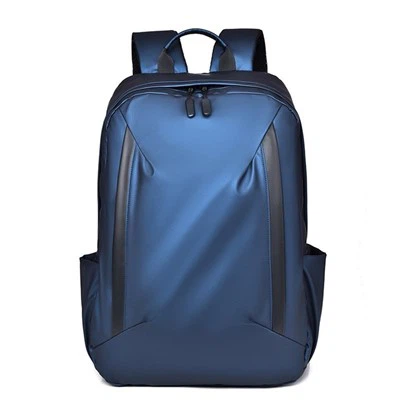
As someone who’s been in this business for years, I get that you don’t want to overcomplicate your beach gear. That’s why we test every design with real beachgoers, not just in a lab. We’ve had bags that were lined and bags that weren’t, and we’ve seen what holds up. The bags that our customers keep coming back to? They have that full, reinforced lining. The ones that get returned? Almost always unlined, because they can’t handle the spills and sand.
Mommy Bag If you’re tired of sand in your sunscreen, stains that never come out, and bags that fall apart after one summer, I’d encourage you to look for a lined beach bag with a quality lining. And if you’re a retailer or someone looking to stock durable beach bags for your customers, let’s talk. We can work together to find the right design that fits your audience, whether that’s light unlined bags for day trippers or fully lined bags for families and regular beachgoers. No pressure, just a conversation about making beach trips less stressful and more fun.
References
- Beach Bag Durability and User Satisfaction, Outdoor Gear Association, 2022.
- Textile Linings for Water-Resistant Apparel and Accessories, Textile Research Journal, Vol. 92, No. 15-16, 2022.
- Sand Ingress and Cleanability of Beach Totes, Journal of Coastal Recreation and Tourism, Vol. 8, 2021.
- Consumer Preferences for Beach Gear, National Recreation and Park Association, 2023.
Address: 5th Floor, Southern Color Printing, No. 36, Fengshun Road, Fengze District, Quanzhou City, Fujian Province
E-mail: sales@dexetebag.com
WebSite: https://www.dxtbag.com/
