If you’ve ever had an IV line inserted, given a blood sample, or watched a surgeon place a central line during an emergency procedure, you’ve witnessed parts of what we do as a Puncture and Access (P&A) supplier. For years, I’ve fielded questions from nurses, hospital managers, and even new clinical staff who ask: “Wait, is puncture the same as access? And do we really need a separate term for both?” The short answer is yes—they are connected, but distinct, and getting the definition right isn’t just semantics. For a medical device supplier like mine, understanding that difference is the foundation of every product we make, every training session we lead, and every client relationship we build. Let’s break this down, from the basic clinical definitions to why it matters for patient care and the teams that rely on quality P&A tools. Puncture and Access
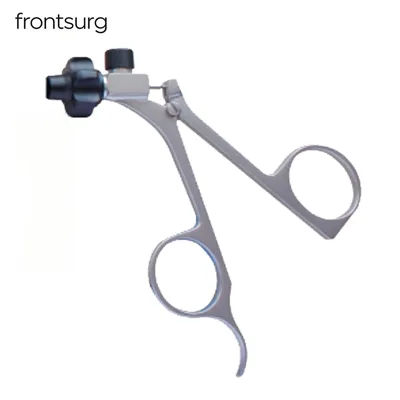
First, let’s start with puncture. At its core, a puncture in medicine is simply a controlled, precise entry through the skin and soft tissue of the body, usually with a sharp, sterile instrument. It’s the first step of almost every vascular, tissue, or organ intervention, and it has one single, non-negotiable goal: to create that initial opening without causing unnecessary damage. That’s not as simple as it sounds. A needle puncture that nicks an artery when it was meant for a vein, or that damages a nerve in soft tissue, isn’t a “good” puncture—even if it reaches the target. For example, when a phlebotomist draws blood for a routine lab test, the puncture is a single, targeted stick through the skin and into the vein wall, designed to access blood for collection. For a surgeon placing a peripheral IV, the puncture is the first step through the skin, then the vein wall, to get to the venous lumen. Puncture is the act of penetrating tissue, plain and simple—but its quality depends on precision, sterility, and alignment with the specific site and intended use.
Now, access. This is where things get a bit more nuanced, and where I think the line between puncture and access trips up so many people. Access, in medical terms, refers to the entire pathway that lets clinicians reach the target site safely, maintain that path over time (if needed), and perform the intended task—whether that’s delivering medication, drawing blood, or draining fluid from an abscess. A single puncture is just the opening; access is the whole infrastructure built from that opening. Think of it like a driveway to a house: a puncture is the moment you dig the start of the driveway, while access is the entire paved path, turnarounds, and parking spots that let you drop off groceries, park a car, or even pull a semi-truck up to the front door. For example, a patient who needs chemotherapy for three months will start with a single puncture to a large vein in their chest, then a tunneled catheter is placed through that puncture—creating a secure, long-term access point that avoids repeated arm sticks. That’s access: it’s not just the initial puncture, it’s the ongoing, reliable path to the target that keeps patients safe and clinicians effective.
As someone who’s been in the P&A supply business for over 12 years, I’ve seen how misdefining these two terms leads to real problems. Early on, a small clinic I worked with ordered what they thought was “access needles” for their new pediatric wing. Turns out, they were buying standard phlebotomy needles—great for a single puncture, but useless for the small, delicate vein access they needed for children, who often need short-term, gentle IVs for fluids or pain meds. That mix-up cost them three weeks of delayed patient care and a lot of frustrated nurses. Since then, I make it a point to walk every new client through that difference, not just to sell them products, but to make sure they’re using the right tools for their specific needs. P&A is a broad category, and “puncture” products are specialized for that initial entry—think sharp, precision-engineered needles for phlebotomy, lumbar puncture, or skin puncture for blood glucose tests. Access products build on that puncture to create a sustained path: peripheral IV catheters, central venous catheters, tunneled dialysis catheters, and even port-a-cath devices that sit under the skin.
One common misconception I hear all the time is that “all punctures lead to access.” That’s not true. Some punctures are purely diagnostic or one-time. A lumbar puncture (spinal tap) is exactly that: a puncture through the lower back’s skin and into the spinal canal to collect cerebrospinal fluid for testing. It doesn’t require a sustained access point—you collect the fluid, remove the needle, and the puncture site is sealed with pressure. On the flip side, not all access starts with a single puncture. Wait, that’s a point that might sound surprising, but let me explain. In some cases, especially for patients who have had multiple failed punctures in the same arm, clinicians might use a modified technique where a small device is used to create a tiny incision (a type of puncture, but a larger one than a standard needle stick) and then a guidewire is placed to thread a catheter into the vein. That still relies on the core of P&A: the initial entry to create a path, whether it’s a single small needle stick or a slightly larger incision. The goal of access, though, is still the same: to have a reliable, secure path that doesn’t put the patient at unnecessary risk for infection or damage.
Let’s talk about why this definition matters for patient outcomes, too. Over the last decade, the number of healthcare-associated infections (HAIs) related to vascular access has dropped by almost 40%, according to data from the Centers for Disease Control and Prevention (CDC). A big part of that progress is because we (as P&A suppliers) worked with clinical teams to align product design with clear definitions of puncture vs. access. For example, a standard phlebotomy needle (a puncture tool) has a sharp, beveled tip that’s designed to slip smoothly through skin and vein wall, reducing the chance of accidental nicks and trauma. A peripheral IV catheter (an access tool) has a duller tip on the catheter itself, but a sharp needle inside that does the puncture—once the catheter is in the vein, the needle is removed, leaving the soft, flexible catheter to stay in place for days or weeks. That design builds directly on the difference between puncture (the initial, short-term entry) and access (the sustained, safe path). If a nurse tried to use a standard phlebotomy needle as an access tool, they’d have to leave a sharp metal needle in the patient’s arm for days—putting them at huge risk of vein damage, infection, and even the needle breaking. That’s why every product our team designs is built to explicitly serve either puncture or access needs, or sometimes both for specialized cases.
I also want to touch on specialized P&A uses, because this is where the definition gets even more specific, and where suppliers like us have to stay on our toes. Take pediatric patients, for example. A premature infant has veins so small that a standard adult IV catheter would cause irreversible damage. For these tiny patients, our team works with neonatologists to create specialized puncture needles that are ultra-thin, with a micro-bevel that creates almost no trauma to the baby’s vein. The access tools we make for pediatrics include tiny, flexible catheters that are designed to stay in place for only a few days, but secure enough that they don’t slip out during a feeding or diaper change. Another specialized area is oncology patients, who often need long-term access for chemotherapy that can damage small veins. We work with oncologists to design tunneled access catheters, which are placed through a puncture in the chest, tunneled under the skin, and connected to a port that sits under the skin’s surface. That port lets nurses place a needle through the skin (a puncture) to access the port, and then delivers chemo directly to the large vein for months at a time. It’s a perfect example of how puncture and access work together, but serve entirely different purposes in patient care.
As a supplier, I’ve learned that part of our job isn’t just delivering products—it’s being a resource for our clients, whether that’s a small rural clinic with one phlebotomist or a large academic medical center with a dozen different departments. Last year, a small clinic in rural Montana reached out to us because they were having a problem with their diabetic patients who needed frequent finger sticks for glucose testing. Their current puncture tools were causing so much pain that some patients were skipping testing entirely, which led to dangerous blood sugar spikes. Our team worked with them to switch to specialized lancets—puncture tools designed specifically for skin sticks, with a depth control that only penetrates the top layer of skin, causing minimal pain. That small change improved patient compliance by 60% in just two months. For me, that’s what P&A is really about: understanding the tiny, critical steps that make a huge difference for patients and the teams that care for them.
I also think it’s important to address a common myth that’s popped up in recent years, as telehealth and at-home healthcare have grown. Some people assume that P&A is only for hospital settings, but that’s not true. A patient who needs to draw their own blood at home for a lab test uses a puncture lancet. A patient undergoing at-home IV antibiotic therapy uses an access catheter that was placed by a nurse at a clinic. Even the insulin pens that millions of people with diabetes use rely on a small puncture needle to deliver medication, and the insulin reservoir is the access point that lets them use the medication safely. P&A is everywhere, in every setting where healthcare is delivered—from a patient’s kitchen table to a surgical operating room.
As we’ve talked through the definitions, the line between puncture and access is clear, but it’s also interdependent. You can’t have access without a proper puncture, but a puncture isn’t access on its own. For my team, that means every product we develop is engineered to meet the specific needs of either that initial entry or the sustained path that follows. It means working with clinicians to test our products in real-world settings, making sure they reduce pain, lower infection risk, and make their jobs easier. It means staying up to date on the latest guidelines from organizations like the Infusion Nurses Society (INS) and the Association for Vascular Access (AVA), which regularly update their standards for P&A tools to reflect new research and patient needs.
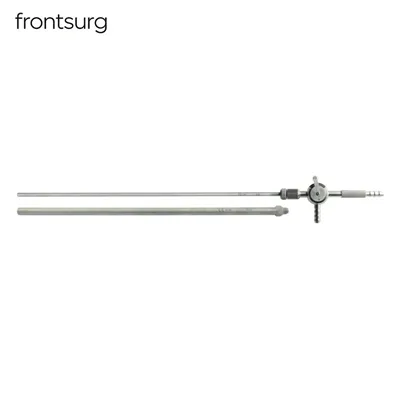
If you’re a clinician, clinic manager, or hospital procurement lead, I know you have a lot on your plate—choosing the right P&A tools doesn’t have to be one more stress. Our team has spent years building products and expertise around exactly the definitions we’ve talked through today, and we’re here to help you find the right tools for your specific needs, whether that’s puncture needles for phlebotomy, access catheters for long-term care, or specialized tools for pediatric, oncology, or at-home use. We don’t just sell products—we partner with our clients to make sure their patients get the safest, most effective care possible, one puncture (and one access point) at a time. If you’re ready to talk through your needs, we’re here to listen and help you find the solutions that work for you.
Knot Pusher References
- Centers for Disease Control and Prevention (CDC). (2022). Healthcare-Associated Infections (HAIs) Progress Report.
- Infusion Nurses Society (INS). (2021). Infusion Therapy Standards of Practice, 10th Edition.
- Association for Vascular Access (AVA). (2023). Vascular Access Device Definitions and Clinical Practice Guidelines.
- World Health Organization (WHO). (2020). Safe Injection Practices for Clinical Care.
- American Academy of Pediatrics (AAP). (2022). Vascular Access for Neonatal and Pediatric Patients.
Frontmed (Hangzhou) Trading Co., Ltd.
Frontmed (Hangzhou) Trading Co., Ltd. is one of the most experienced puncture and access equipment manufacturers and suppliers in China, also supports custom service. Please rest assured to wholesale high quality puncture and access equipment made in China here from our factory. Contact us for more details.
Address: Room 406, Building 6, No.1688 Chunjiang East Rd, Tonglu, 311500, Hangzhou
E-mail: alex@frontsurg.com
WebSite: https://www.frontsurg.com/
