Hey there! I’m a supplier of Functional Distribution Boxes, and I often get asked about how to test the performance of these nifty devices. So, I thought I’d share my insights on this topic in this blog post. Functional Distribution Box
Understanding the Basics of Functional Distribution Boxes
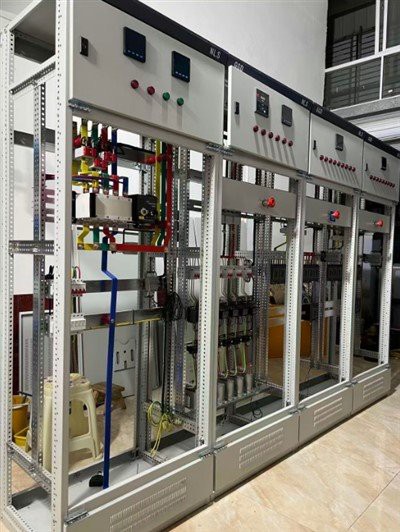
Before we dive into the testing methods, let’s quickly go over what a Functional Distribution Box is. In simple terms, it’s a crucial component in electrical systems that distributes power and signals to different parts of a setup. It’s like the traffic cop of the electrical world, making sure everything flows smoothly.
These boxes come in all shapes and sizes, and their functions can vary widely depending on the application. Some are used in industrial settings to manage heavy machinery, while others are found in homes to distribute power to various appliances.
Testing the Electrical Performance
One of the first things you need to test is the electrical performance of the Functional Distribution Box. This involves checking the voltage, current, and resistance.
Voltage Testing
Voltage is like the pressure in a water pipe. You want to make sure it’s within the right range. To test the voltage, you’ll need a voltmeter. Just connect the voltmeter to the appropriate terminals in the box. Make sure you’re following all the safety procedures, like wearing insulated gloves and using the right probes.
Ideally, the voltage should match the specifications provided by the manufacturer. If it’s too high or too low, it could cause problems for the connected devices. For example, if the voltage is too high, it could damage the equipment, and if it’s too low, the devices might not work properly.
Current Testing
Current is the flow of electricity, similar to the flow of water in a pipe. You can use an ammeter to measure the current. There are two types of ammeters: the in – line ammeter and the clamp – on ammeter. The in – line ammeter needs to be connected in series with the circuit, which means you have to break the circuit to connect it. The clamp – on ammeter, on the other hand, can be clamped around the wire, making it a lot easier to use.
You should check the current draw of the box under normal operating conditions. If the current is too high, it could indicate a short circuit or an overloaded circuit.
Resistance Testing
Resistance is the opposition to the flow of electricity. You use an ohmmeter to measure resistance. Before you do the test, make sure the power to the box is turned off. Otherwise, you could get inaccurate readings or damage the ohmmeter.
You want to check the resistance between different points in the box, like between the terminals and the ground. A high resistance could mean there’s a loose connection or a damaged wire.
Testing the Functionality of Circuits
Another important aspect is testing the functionality of the individual circuits in the box. This is where things can get a bit more hands – on.
Circuit Continuity
Circuit continuity is all about making sure there’s a continuous path for the electricity to flow. You can use a continuity tester for this. It’s a simple device that beeps when there’s a continuous connection.
Go through each circuit in the box and check for continuity. Start from the power source and work your way through the wires and components. If the continuity tester doesn’t beep, it means there’s a break in the circuit somewhere.
Switch and Relay Testing
Functional Distribution Boxes often have switches and relays that control the flow of electricity. You need to test these components to make sure they’re working properly.
For switches, you can use a multimeter to measure the resistance when the switch is open and closed. When the switch is open, the resistance should be very high (ideally infinite), and when it’s closed, the resistance should be close to zero.
Relays are a bit more complex. You can use a relay tester or a simple circuit to test their operation. Apply the appropriate voltage to the relay coil and check if the contacts close or open as expected.
Environmental Testing
The environment where the Functional Distribution Box is installed can also have an impact on its performance. So, it’s a good idea to conduct some environmental tests.
Temperature Testing
Extreme temperatures can affect the electrical components in the box. You can use a temperature probe to measure the temperature inside the box under different operating conditions.
If the box is installed in a hot environment, like an industrial furnace area, you need to make sure it can handle the heat. If the temperature inside the box gets too high, it could cause the components to malfunction or even fail.
Humidity Testing
Humidity can also cause problems, especially if it leads to condensation inside the box. You can use a humidity sensor to monitor the humidity levels.
High humidity can cause corrosion of the metal parts and short – circuits in the electrical components. If the humidity levels are consistently high in the installation area, you might need to use a dehumidifier or choose a box with better moisture – resistant features.
Mechanical Testing
Don’t forget about the mechanical aspects of the Functional Distribution Box.
Enclosure Integrity
The enclosure of the box is what protects the electrical components from dust, water, and physical damage. You need to check if the enclosure is intact. Look for any cracks, holes, or loose fittings.
You can also perform a simple spray test with water to check the waterproofing of the enclosure. Just make sure the power is off before you do this test.
Mounting and Vibrations
The box needs to be securely mounted. Check if the mounting brackets are tight and if the box doesn’t move around when there’s some vibration.
If the box is installed in an area with a lot of vibrations, like near a heavy machine, you might need to use vibration – dampening mounts to prevent damage to the components inside.
Conclusion
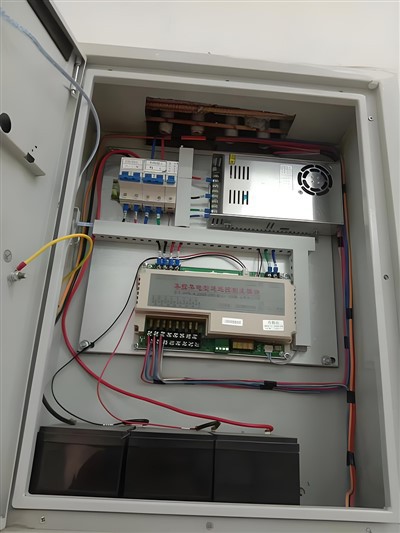
Testing the performance of a Functional Distribution Box is a comprehensive process that involves checking the electrical performance, circuit functionality, environmental factors, and mechanical aspects. By doing these tests regularly, you can ensure that the box is operating at its best and that it will provide reliable service for a long time.
Tertiary Distribution Box If you’re in the market for a high – quality Functional Distribution Box or need more in – depth advice on testing and maintenance, I’d love to chat with you. Get in touch with me to start a conversation about your specific needs. I’m here to help you find the perfect solution for your electrical distribution requirements.
References
- Electrical Installation Handbook, Schneider Electric
- Handbook of Electrical Engineering Testing, McGraw – Hill
Anhui Nanxian Electric Co., Ltd.
With abundant experience, we are one of the most professional functional distribution box manufacturers and suppliers in China. We warmly welcome you to buy advanced functional distribution box for sale here and get quotation from our factory. All customized products are with high quality and low price.
Address: Factory Unit 03-2, Building 21, Feidong Yinfeng Industrial Park Co., Ltd., Northeast Corner of Manquan Road and Changle Road, Hefei Circular Economy Demonstration Park, Feidong County, Hefei City, Anhui Province.
E-mail: 541580567@qq.com
WebSite: https://www.nxelepower.com/
