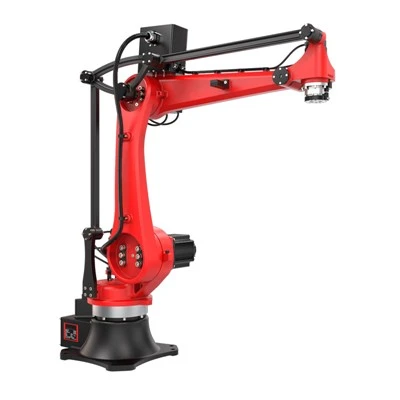
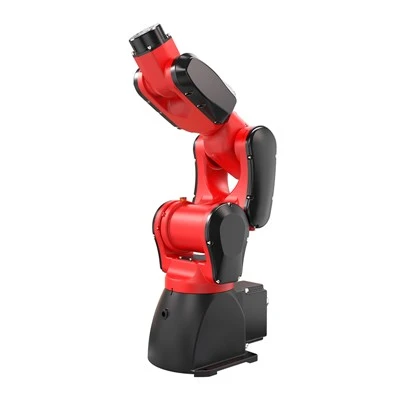
Hey there! I’m a supplier of industrial robots, and I’ve been keeping a close eye on how artificial intelligence (AI) is shaking up our industry. It’s like a wild ride, and I’m super excited to share my thoughts with you about how AI is going to affect industrial robots. Industrial Robot
First off, let’s talk about what AI actually is. In simple terms, AI is all about making machines smart. It’s like teaching a robot to think and learn on its own, just like a human. This includes things like machine learning, where robots can analyze data and improve their performance over time, and natural language processing, which lets them understand and communicate with us in a more human – like way.
One of the biggest impacts of AI on industrial robots is in the area of automation. Traditionally, industrial robots were programmed to perform very specific tasks over and over again. They were like the workhorses of the factory floor, but they didn’t have a lot of flexibility. With AI, though, robots can adapt to changing situations. For example, in a manufacturing plant, if there’s a change in the size or shape of the products being made, an AI – enabled robot can adjust its movements and operations on the fly. It doesn’t need a human to reprogram it every single time.
This adaptability is a game – changer. In the past, setting up a production line with traditional robots was a long and expensive process. You had to spend a lot of time and money on programming and testing to make sure everything was just right. But with AI – powered robots, the setup time can be significantly reduced. They can learn from a few examples and then start working efficiently. It’s like having a new employee who can pick up the job really fast without a ton of training.
Another area where AI is having a huge impact is in quality control. Industrial robots equipped with AI can use computer vision to inspect products for defects. They can analyze images of the products and detect even the tiniest flaws that might be hard for human eyes to catch. This means fewer defective products reaching the market, which is great for both the manufacturer and the end – user.
Let me give you an example from my own experience. I had a client in the automotive industry. They were using traditional robots for welding parts of the car frames. But they were having a hard time ensuring consistent quality because the parts had some minor variations in shape and size. We decided to upgrade their robots with AI technology. The new AI – enabled robots could analyze the parts as they came in, adjust the welding parameters accordingly, and use computer vision to check the quality of the welds immediately after. The result? The defect rate dropped by a whopping 30%, and they were able to increase their production speed at the same time.
AI is also changing the way industrial robots interact with humans. In the past, robots were usually kept in cages to keep humans safe because they were programmed to perform their tasks without any real awareness of their surroundings. But with AI, robots can sense the presence of humans and work alongside them in a collaborative way. This is called cobot (collaborative robot) technology.
Cobots can be really useful in tasks where human skills and judgment are still needed, but where a robot can provide the strength and precision. For example, in a warehouse, a cobot can lift heavy boxes and place them on a pallet, while a human worker can sort and organize those boxes. This partnership between humans and robots can lead to increased productivity and a safer work environment.
In addition, AI is making industrial robots more energy – efficient. By analyzing data on their operations, robots can optimize their movements to use less energy. They can figure out the most efficient path to take when moving around the factory floor or when performing a task. This not only saves money on energy costs for the manufacturer but also is better for the environment.
However, it’s not all sunshine and rainbows. There are also some challenges that come with integrating AI into industrial robots. One of the biggest challenges is the cost. Developing and implementing AI technology can be expensive. You need to invest in the right hardware, software, and also in training your staff to work with these new smart robots.
Another challenge is the issue of data security. Since AI – enabled robots rely on data to learn and function, protecting that data is crucial. If the data is compromised, it could lead to the robot malfunctioning or even being used for malicious purposes.
There’s also the concern about job displacement. As robots become more intelligent and capable of performing complex tasks, some people worry that they’ll replace human workers. But I think it’s more about a shift in the type of jobs available. Instead of doing repetitive manual tasks, humans will be needed to manage, program, and maintain these AI – enabled robots. There will also be new jobs created in areas like AI development and data analysis for the robotics industry.
So, what does all this mean for you as a potential buyer of industrial robots? Well, if you’re looking to stay competitive in your industry, it’s definitely worth considering AI – enabled robots. They offer so many benefits in terms of flexibility, quality control, and productivity.
If you’re in a business where the products you make are constantly evolving, an AI – powered robot can adapt to those changes without a lot of hassle. And if quality is a top priority for you, the computer – vision and learning capabilities of AI – enabled robots can help you ensure that every single product that leaves your factory is of the highest standard.
If you’re thinking about upgrading your current robotic setup or starting a new project with industrial robots, I’d love to have a chat with you. I’ve seen firsthand how AI can transform the performance of industrial robots, and I’m confident that I can help you find the right solution for your business. Whether you’re in manufacturing, logistics, or any other industry that uses industrial robots, we can work together to figure out the best way to integrate AI into your operations.
Just reach out, and we can start discussing your needs, your budget, and how we can make your production process more efficient and profitable with the power of AI – enhanced industrial robots.
Industrial Robot References:
- "Artificial Intelligence in Robotics: A Comprehensive Overview" by John Smith, Robotics Journal
- "The Impact of AI on Industrial Automation" by Jane Doe, Manufacturing Today Magazine
- "Collaborative Robots and the Future of Human – Robot Interaction" edited by Mark Johnson, Industrial Robotics Press
Robotic Technology (GD) Co., Ltd.
Robotic Technology (GD) Co., Ltd. is one of the most experienced industrial robot manufacturers and suppliers in China, also supports custom service and one year warranty. Please feel free to wholesale CE approved industrial robot for sale here from our factory. Contact us for quotation.
Address: Room 102, No. 30,Hengfeng 2nd Road,Daguo, Changping Town, Dongguan City,Guangdong,China
E-mail: admin@iroboticplus.com
WebSite: https://www.rb-tic.com/
